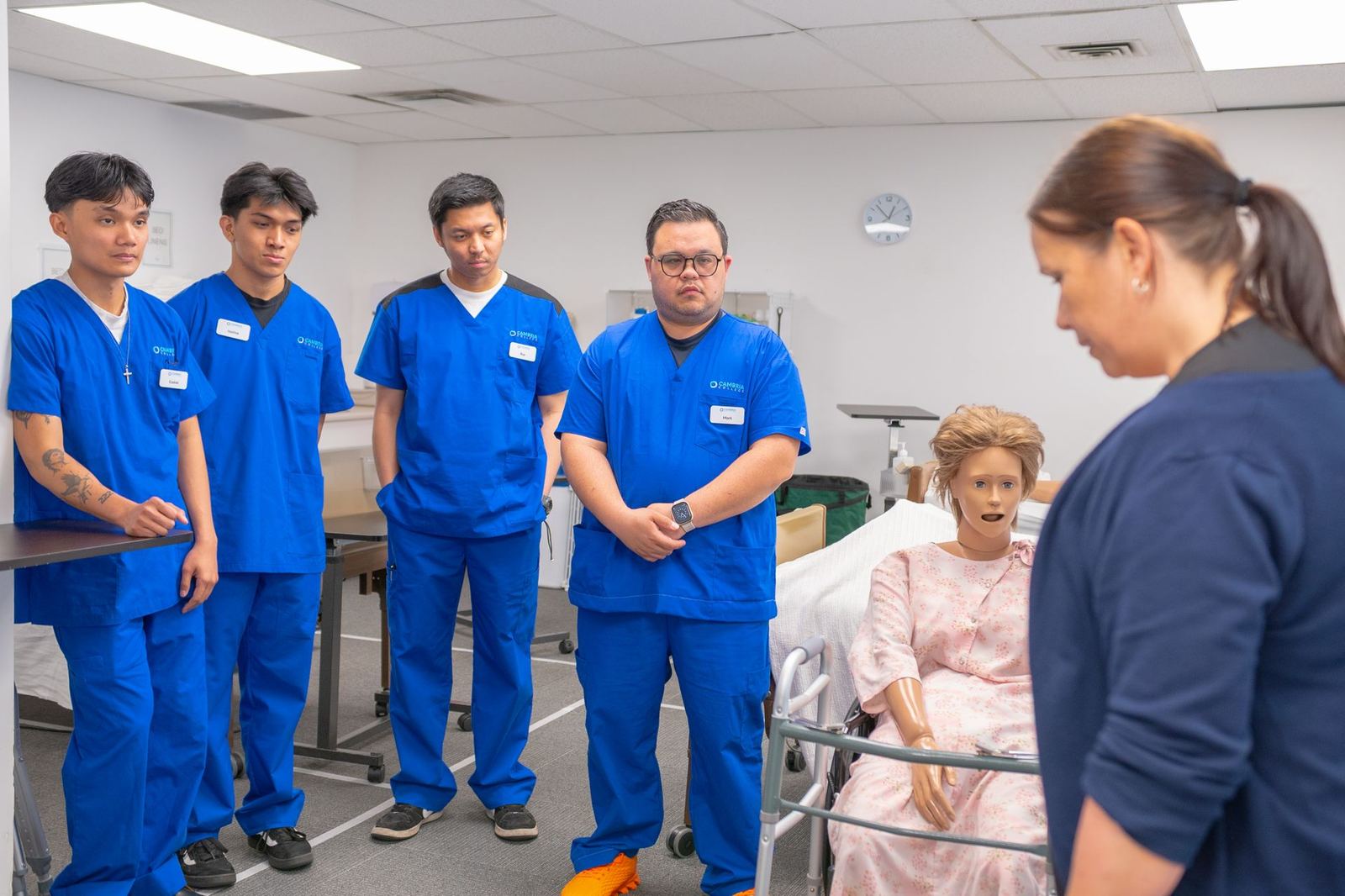
A new 2,200 m² centre with high-fidelity simulators for medicine, dentistry and nursing students.
To strengthen applied education in health programmes, Kıyıkent University has opened the Skills and Simulation Centre, with 2,200 m² of indoor space. The centre is available for shared use by the faculties of Medicine, Dentistry and Health Sciences.
What is in the centre?
- High-fidelity patient simulators: manikin systems that breathe, have a pulse, produce heart sounds and respond to medication
- Scenario rooms for the emergency department, intensive care and operating theatre
- A 24-station basic skills laboratory (venous access, suturing, CPR training)
- Standardised patient rooms: communication and examination practice with trained actor patients
- A camera and audio recording system in every room; video feedback after each session
How will training be run?
Before beginning clinical rotations students repeat critical procedures in simulation. Each session has three stages: scenario, practice and error analysis. This approach raises patient safety while allowing students to learn in an environment where it is safe to make mistakes.
Statement from the Rector
Speaking at the opening, Rector Prof. Dr. Selim Karaağaç said: "In health education, performing the first procedure on a real patient is no longer an acceptable method. Simulation makes sure our students arrive at the bedside ready."
Training open to the public
The centre will not serve only students. Basic life support, advanced cardiac life support and patient safety courses will also be organised for staff of surrounding healthcare institutions. Applications for corporate training will be taken through the Faculty of Health Sciences secretariat.
For prospective students
Candidates considering health programmes can tour the centre on Open Campus Day and practise with the simulators. You can find the event calendar and registration information on the Events page.
Benefits of simulation training
International studies show that simulation training speeds the acquisition of procedural skills and increases patient safety. Every scenario in the centre is recorded; after practice, instructors watch the footage with students and assess team communication, decision time and manual skill.
Student views
Selin Aksoy, a third-year Faculty of Medicine student who attended the first sessions in the centre, says: "Being able to try venous access dozens of times before a real patient raised our confidence." Nursing students describe team coordination in emergency scenarios as the most valuable gain.
Investment and future plan
The centre is the first phase of the university's investment programme for health education. In the second phase a virtual-reality-supported anatomy laboratory and a telehealth simulation hall will be established. The centre is open weekdays 08:00 – 20:00 and hours will be extended in exam periods.